
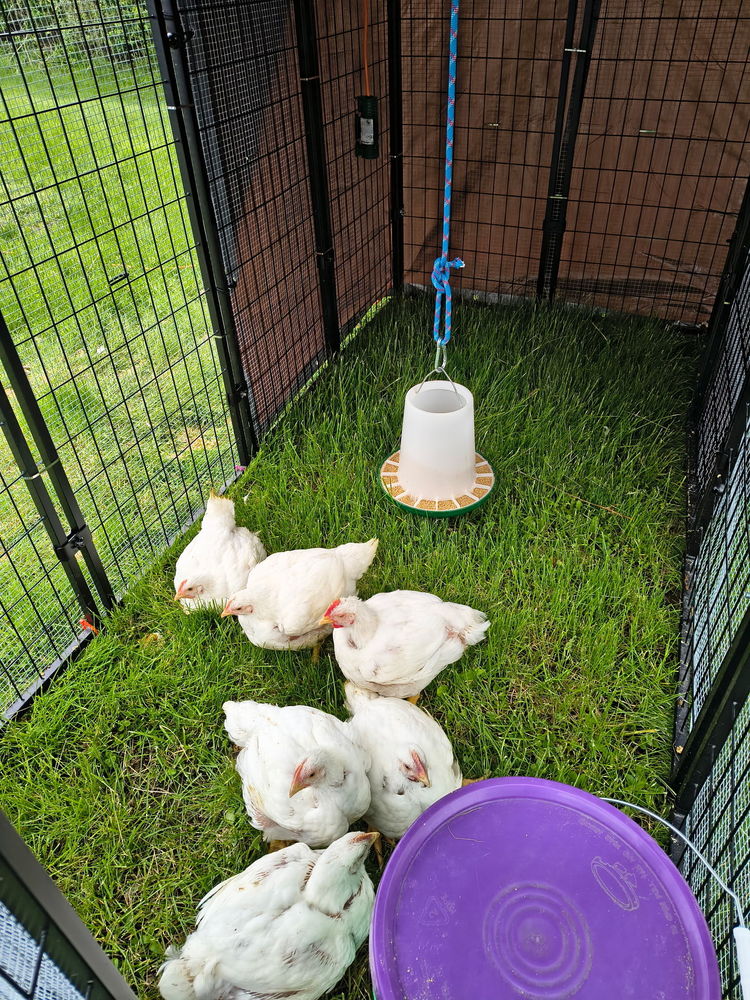
Students in Mrs. Holbrook's Livestock Science are completing a unique hands-on agricultural experience through a Farm-to-Table Poultry Project designed to teach real-world animal science, food production, and agricultural responsibility.
Throughout the project, students raised a small flock of Cornish Cross chickens from chicks through market age while learning proper animal care, feeding schedules, housing management, food safety practices, and responsible livestock stewardship. The project served as the class’s final exam and provided students with a firsthand understanding of the complete farm-to-table process.
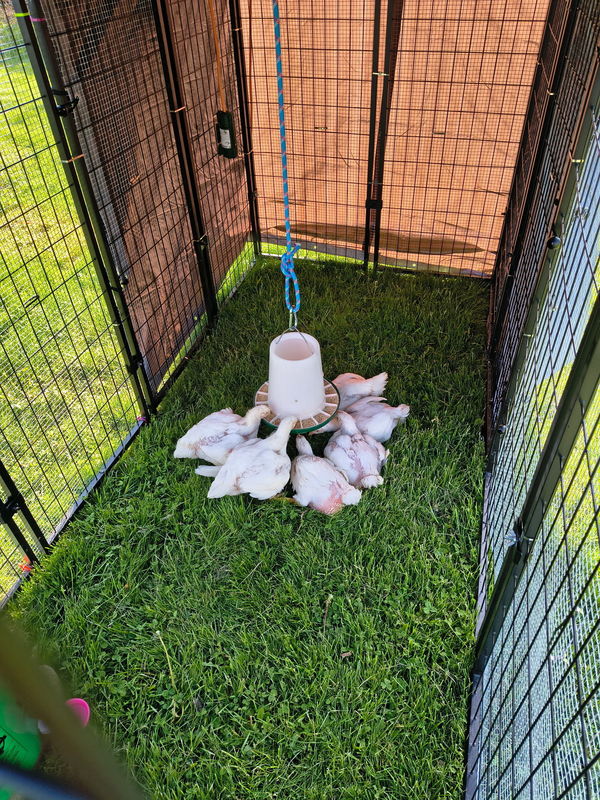
Mrs. Holbrook, who has years of experience raising poultry, guided students through every stage of the project while emphasizing humane animal care, sustainability, and food safety.
“This project gave students the opportunity to better understand where food comes from and the amount of care and responsibility involved in raising animals,” Holbrook said. “Students gained valuable hands-on experience while learning skills connected to agriculture, food systems, and self-sufficiency.”
Earlier in the semester, students in both the Livestock Science and Zoology classes participated in an introductory poultry processing demonstration using extra roosters from a straight-run flock. Students observed and practiced techniques used to responsibly prepare poultry for consumption while learning about ethical animal management and proper food handling procedures.
During the project, the chicks were first housed indoors in a brooder setup where students monitored temperature, cleaned bedding, and maintained feed and water supplies. Once the birds were fully feathered, they were transitioned outdoors to a movable chicken tractor pen where students continued daily care responsibilities while also learning about pasture management and sustainable farming practices.
As part of the farm-to-table experience, students participated in the final stages of preparing the birds for consumption using industry-standard agricultural practices. Students learned how poultry is responsibly processed and packaged while following strict food safety and sanitation procedures.
The project also introduced students to the financial side of livestock production. Students tracked expenses including feed, bedding, and chick costs while discussing how agricultural programs can potentially become self-sustaining through small-scale poultry production.
Although the class was small this year, the success of the project has generated excitement for the future of Maplewood’s agricultural education program.